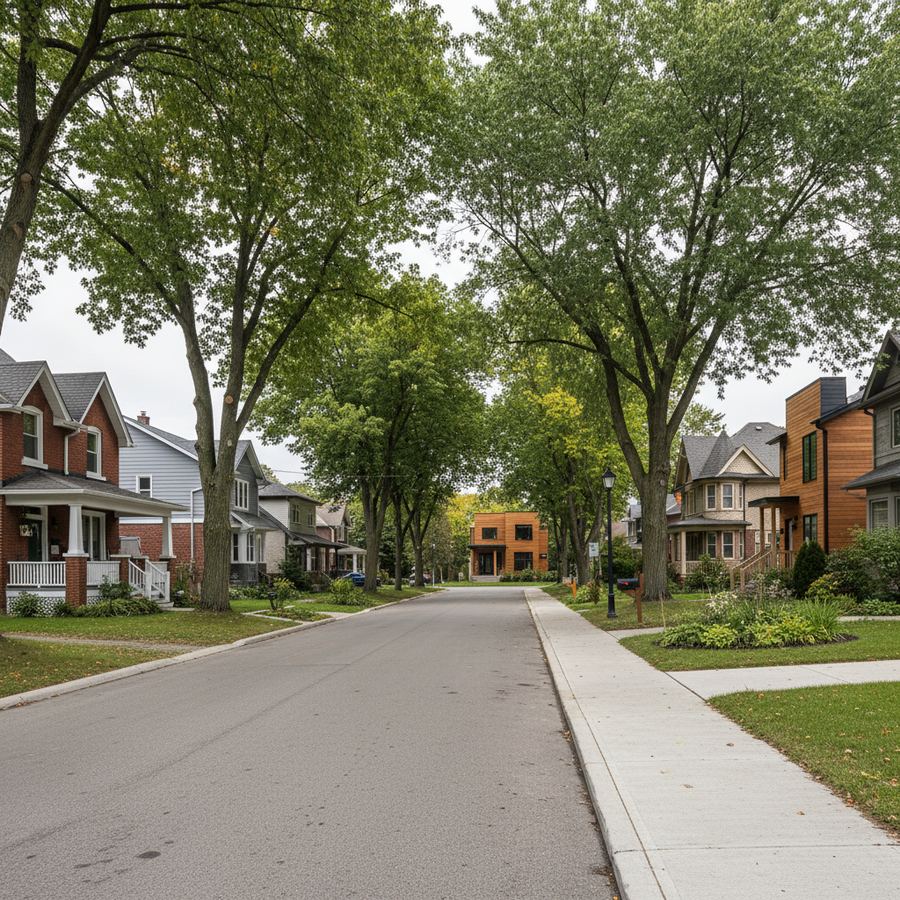
Finding a place to live in an Ontario town is a different experience than apartment hunting in Toronto. There is no single app that shows you everything. The best listings are scattered across multiple platforms, and some never make it online at all. This guide covers where to actually look, so you do not miss options that are hiding in plain sight.
The Big Platforms
Realtor.ca
If you are buying, realtor.ca is the main MLS listing site for Canada. It covers properties listed through real estate agents and is the most comprehensive source for homes for sale. You can search by town, set price ranges, and save searches with email alerts. Many agents also list rental properties here, though not all.
Facebook Marketplace and Local Groups
This is where a huge portion of rental listings in smaller Ontario towns end up. Landlords in communities like Shelburne or Burk's Falls often skip the big platforms entirely and post directly to Facebook Marketplace or local buy-and-sell groups. Search for your target town name plus "rentals," "housing," or "buy and sell" to find the relevant groups. Some are very active, with new postings daily.
A few tips for Facebook housing searches: set your location to the town you are targeting, check multiple groups (there are often several for the same area), and be ready to respond quickly. Good rentals at reasonable prices get snapped up fast.
Kijiji
Kijiji remains widely used in Ontario for both rentals and private home sales. It works best in mid-sized towns and areas closer to major cities. For very small or rural communities, listings may be sparse, but it is always worth checking. Set up alerts for your search criteria so you do not have to manually check every day.
Other Rental Platforms
Rentals.ca, Zumper, and PadMapper aggregate listings and can be useful for getting an overview of what is available and at what price. Apartments.com has also entered the Canadian market. These tend to have better coverage in larger towns like Barrie or Orillia than in very small communities.
Local Sources That Get Overlooked
Local Real Estate Brokerages
Many small-town real estate offices maintain their own listing pages with properties that are sometimes slow to appear on the aggregator sites. If you know what town you are targeting, search for real estate offices in that specific community. A local agent who knows the area well can also tell you about properties coming to market before they are officially listed. In small communities, agents often know about a rental or sale through word of mouth before it hits any website.
Local Newspapers and Classifieds
This might sound old-fashioned, but it works. Many Ontario towns still have a weekly newspaper with classified ads for rentals and properties. Papers like the Collingwood Connection, the Midland Mirror, or the Cobourg Star carry listings from landlords who do not use online platforms. Some of these papers have websites with searchable classifieds; others are print-only. Check with the local library if you are not sure what paper serves your area.
Community Bulletin Boards
Grocery stores, laundromats, community centres, and coffee shops in smaller towns often have bulletin boards with handwritten or printed rental ads. This is especially true in very small communities where landlords rent one or two units and rely on foot traffic to find tenants. If you are already visiting the area, take a walk down the main street and check these boards.
Word of Mouth
In towns with populations under 10,000, word of mouth is a legitimate housing search strategy. If you have any connection to the community, whether through a job, family, or a community group, let people know you are looking. Mention it at church, at the arena, at the coffee counter. Landlords who have had good tenants often prefer to find the next one through personal referrals rather than posting online.
Small Towns vs. Mid-Sized Cities
The housing search looks different depending on where you are looking. In a mid-sized city like Barrie (population 155,000+), the experience is closer to what you would find in a major urban centre. Most listings are online, competition is stiff, and you may need to provide references and proof of income quickly.
In a smaller town like Perth or Penetanguishene, the pace is different. There are fewer listings at any given time, but there is also less competition. Landlords may be more flexible, and a face-to-face meeting can carry more weight than a rental application form. On the other hand, options are limited, so you may need to broaden your search radius to neighbouring communities.
Rural areas between towns present their own situation. Properties on county roads or in unincorporated areas may only appear on Kijiji, Facebook, or through local real estate offices. If you are open to a rural property, make sure to ask about well water, septic systems, road maintenance (municipal vs. private), and internet availability before signing anything.
What to Expect on Price
Rental and purchase prices vary significantly across Ontario. Generally, the further you get from the Greater Toronto Area and major highways, the more affordable housing becomes. But desirable small towns with waterfronts, ski hills, or strong tourism (think Collingwood or Huntsville) can have prices that surprise newcomers.
For a realistic picture of current pricing, check recent sold data on HouseSigma (for purchases) or browse current listings on the platforms listed above. Prices shift regularly, and what was true six months ago may not hold today.
Before You Sign
Once you find a place, a few Ontario-specific things to keep in mind:
- Rent increases are capped annually by the provincial guideline for most units built before November 2018. Check the current year's guideline on ontario.ca.
- The Ontario Standard Lease is required for most residential tenancies. If a landlord does not offer one, you can request it. This protects both parties.
- Last month's rent deposit is the only deposit a landlord can legally require in Ontario. They cannot charge a damage deposit or key deposit beyond reasonable actual cost.
For help with your overall move, our guide to settling into an Ontario town covers what to do in your first few weeks after you have secured housing.