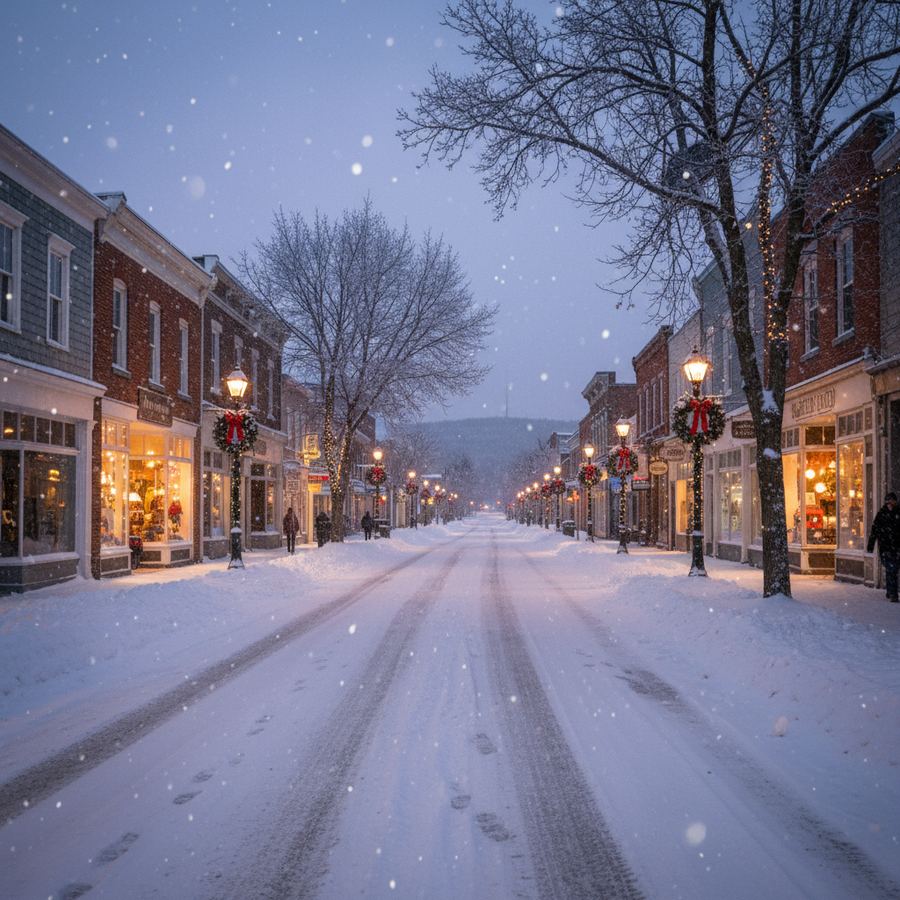
If you are moving to an Ontario community from somewhere with milder winters, or even from southern Ontario to a snowbelt town, there is a learning curve. Winters in many parts of Ontario are long, cold, and snowy. They are also completely manageable once you understand what to expect and how to prepare. This guide covers the practical basics that experienced residents take for granted.
Snow Tires: Not Optional
Snow tires are not legally required across all of Ontario, but they are functionally necessary anywhere north of the GTA. The difference between all-season tires and proper winter tires on snow and ice is dramatic. You will feel it the first time you brake on a slippery road.
Key things to know:
- Timing: Most people put snow tires on between mid-October and early November, depending on where in Ontario they live. They come off in April. Tire shops get busy in the changeover weeks, so book your appointment early
- Look for the snowflake symbol: Tires marked with the three-peak mountain snowflake (3PMSF) symbol meet the winter traction standard. Regular M+S (mud and snow) tires do not perform as well in deep cold
- Insurance discount: Most Ontario auto insurance providers offer a discount for using winter tires. Call your insurer after installation
- Storage: If you do not have garage space, many tire shops offer seasonal tire storage for a fee. Some dealerships include it with service packages
Heating Your Home
Heating is a significant household cost from November through March. What you pay depends on your heat source and how well your home is insulated.
Natural gas (Enbridge) is the most common fuel in towns with gas service. Peak winter bills run $200 to $400+ for a typical house. Equal billing programs spread the cost over 12 months.
Propane is common in rural areas without gas lines. It costs more per unit of heat. You will need a tank and a delivery schedule. Most companies offer automatic delivery, or you can call when the gauge drops below 30 percent.
Electric baseboard heating can be expensive during peak hours. Look into Ontario's time-of-use rates. Wood and pellet stoves supplement heating in many rural homes. If yours has one, confirm the chimney has been cleaned and source firewood in spring or summer when prices are lower.
Regardless of heat source, check insulation, weatherstripping, and your furnace filter. The Ontario government's energy savings page lists rebate programs for efficiency upgrades.
Dressing for Ontario Winters
The key principle is layers. Ontario winters regularly bring temperatures well below -15 C, and with wind chill it can feel much colder. Here is what works:
- Base layer: Merino wool or synthetic moisture-wicking fabric against your skin. Cotton gets damp and stays cold
- Mid layer: Fleece or down for insulation
- Outer layer: A windproof, water-resistant winter coat. It does not need to be the most expensive parka on the rack, but it needs to block wind and keep snow out
- Feet: Insulated, waterproof winter boots with good traction. This is worth spending money on. Cold, wet feet make everything miserable
- Hands and head: Warm gloves or mittens (mittens are warmer) and a hat or toque that covers your ears. A neck gaiter or scarf for very cold days
For kids, the same principles apply with the addition of snow pants for outdoor recess and play. Schools expect children to go outside for recess in winter unless conditions are extreme. Make sure they have proper gear from day one.
You do not need to buy everything new. Check local thrift stores, Facebook Marketplace, and end-of-season clearance sales. Communities like Orillia and Barrie often have consignment shops and kids' gear swaps in fall.
Snow Removal and Plowing
Municipal roads are plowed by the town or county, but your driveway is your responsibility. A snow shovel works for short driveways. A two-stage snow blower is worth it for longer ones. Many people hire a plow operator for $300 to $700+ per season. Ask neighbours who they use and book in fall before routes fill up.
Sidewalks may also be your responsibility depending on municipal bylaws. Keep salt or sand near your door for icy steps. Ice forms fast after a freeze-thaw cycle.
Winter Driving
Even with snow tires, winter driving requires adjustments:
- Slow down and leave at least four seconds of following distance. Stopping on ice takes much longer than you expect
- Clear your entire car. Ontario law requires you to remove snow and ice from all windows, lights, and the roof before driving
- Keep a winter emergency kit: blanket, flashlight, extra gloves, granola bars, small shovel, jumper cables, and a phone charger
- Check road conditions before heading out in a storm. Ontario 511 provides real-time highway conditions
If you are not confident in snow, find an empty parking lot after a snowfall and practice braking and turning. Better to learn there than on a busy road.
School Bus Cancellations
On severe weather days, school buses may be cancelled while schools remain open. Your area's student transportation consortium makes the call by early morning (around 6 AM) and posts it on their website and local radio. Some offer text or email alerts. Cancellations are by zone, so check which one covers your area.
Set up alerts before winter starts. On cancellation days, you decide whether to drive your children or keep them home. Our family moving checklist covers school registration and bus route information.
Ice and Water Safety
Many Ontario towns are near lakes and rivers that freeze in winter. People skate, ice fish, and snowmobile on the ice, but it demands respect:
- Never assume ice is safe because others are on it. Thickness varies across a single body of water
- Clear blue ice needs to be at least 15 cm (6 inches) thick for walking and skating
- Areas near inlets, outlets, and pressure cracks are weak spots that may not be visible
Local conservation authorities sometimes post ice condition updates. When in doubt, stay off.
The Bright Side of Winter
Ontario winters are not something to just survive. Once you are properly equipped, they open up activities that are genuinely enjoyable. Cross-country skiing, snowshoeing, ice fishing, skating on outdoor rinks, tobogganing hills, and snowmobiling trails are all accessible in most communities. Many towns maintain outdoor skating rinks in parks, and communities like Collingwood and Huntsville are close to ski resorts and groomed trail networks.
Winter festivals and events bring communities together too. Check our guide to finding local events for tips on where to find winter activities in your area. Once you have the right gear and a little experience, you may find that winter becomes your favourite season.